What to Do With Too Much Zucchini: A Practical Guide
A practical gardener's guide to storing, cooking, and using up a summer zucchini glut — plus the recipes that make the harvest worth it.
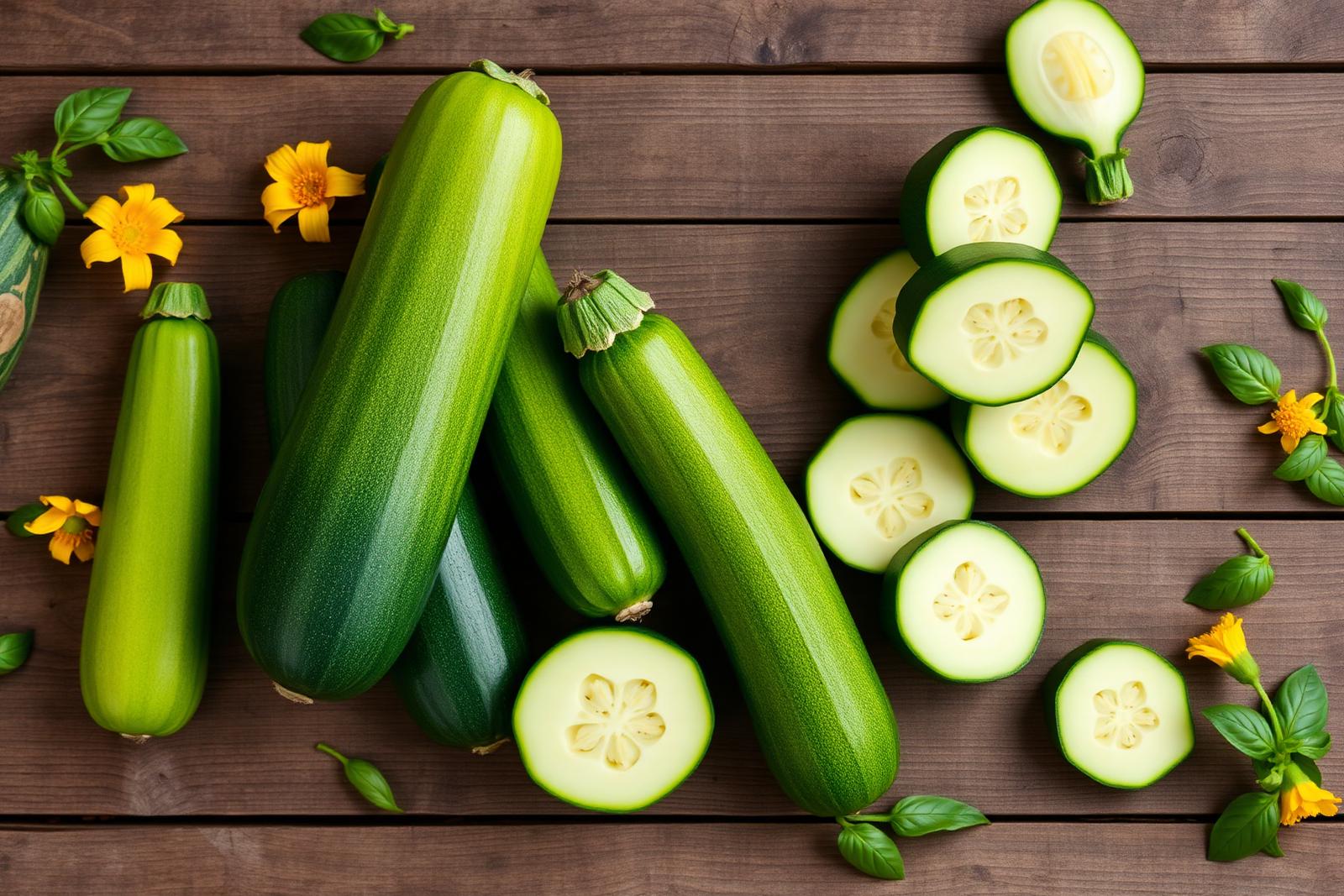
What to Do With Too Much Zucchini: A Practical Guide to the July Glut
By late July, most home gardeners are not asking how to grow zucchini. They are asking how to stop. One healthy plant can produce several pounds of squash a week, and the short answer to what to do with too much zucchini is this: shred and freeze the surplus in two-cup portions for winter baking, cook the rest fresh in ways that don't taste like "more zucchini" — fritters, gratins, noodles, and grilled planks — and give away anything you can't use within four or five days, because that is roughly how long fresh zucchini holds its texture in the crisper drawer.
That's the whole strategy in one sentence. The rest of this guide is the detail: how to store it properly, which cooking methods actually disguise the glut instead of just repeating it, how long it keeps, and where to find real recipes that hold up to a full harvest rather than one token "zucchini bread" from a stack of unread bookmarks.
Why zucchini gets ahead of everyone
Zucchini is a warm-season vine crop that fruits continuously once it starts, often producing a new squash every day or two per plant through the height of summer. Most gardeners plant two or three seedlings expecting modest yields and end up with a harvest that a single household cannot eat fresh. Missing a single day of picking is often enough for a squash to jump from six inches to a foot and a half, at which point the seeds toughen and the flesh turns watery. The fix isn't to plant less — it's to have a real plan for volume before the plants start producing, which is the gap most "5 zucchini recipes" roundups don't actually close.
Storage: what actually extends its life
Fresh zucchini is mostly water, which is why it goes soft and pitted faster than most vegetables. A few habits make a real difference:
Don't wash before storing. Moisture on the skin speeds up decay. Wipe off garden soil with a dry cloth and wash just before cooking.
Store loose in the crisper, not in a sealed bag. Zucchini needs some airflow. A perforated produce bag or a loosely folded paper towel inside a container works better than an airtight seal, which traps condensation and accelerates rot.
Expect four to five days at peak quality, up to a week if refrigerated properly. After that, the skin starts to wrinkle and the flesh softens even if it looks fine from the outside.
Freeze the overflow — but shred or slice it first, and never freeze it raw and whole. Grate zucchini on the large holes of a box grater, portion it into two-cup bags (the standard amount most zucchini bread and muffin recipes call for), and freeze flat. You do not need to blanch shredded zucchini destined for baked goods, though you should squeeze out excess water after thawing or your batter will turn gummy. For zucchini you plan to sauté or roast later, blanch slices for one to two minutes first, then shock in ice water before freezing — this preserves texture far better than freezing raw slices, which turn mushy on thawing.
Zucchini shelf life by storage method
| Storage method | Shelf life | Best for |
|---|---|---|
| Unwashed, loose in crisper drawer | 4–5 days | Cooking within the week |
| Perforated bag, refrigerated | Up to 1 week | Slightly longer hold |
| Blanched slices, frozen | 10–12 months | Roasting, sautéing later |
| Shredded raw, frozen (2-cup portions) | 10–12 months | Baking (bread, muffins) |
| Pickled (vinegar brine), refrigerated | 2–3 months | Snacking, sandwiches |
Ranges reflect general USDA FoodKeeper and food-safety guidance for summer squash; treat them as upper bounds for peak quality rather than hard spoilage limits.
Cooking methods that actually solve the glut
The mistake most surplus-zucchini advice makes is suggesting five different preparations that all taste like watery, slightly bitter squash. The methods below work because they either remove water before cooking or use enough heat and fat to caramelize the vegetable instead of steaming it.
Salt and drain before anything else. For fritters, gratins, or any dish where texture matters, grate the zucchini, toss it with a half teaspoon of salt per cup, and let it sit in a colander for fifteen to twenty minutes. Squeeze it hard in a clean kitchen towel afterward. This single step is the difference between a crisp fritter and a soggy one.
Grill it in thick planks, not thin rounds. Cut zucchini lengthwise into half-inch planks, brush with oil, and grill over direct heat for three to four minutes per side. The thickness keeps it from turning to mush, and the char adds a flavor thin, boiled zucchini never gets.
Roast at high heat, spread out, not crowded. A sheet pan crowded with zucchini steams instead of roasts. Spread pieces in a single layer with real space between them, and roast at 425°F (220°C) so the surface browns before the inside turns to liquid.
Turn it into noodles for one meal a week. A spiralizer or julienne peeler turns zucchini into a genuinely useful low-carb pasta substitute — but salt and drain it the same way as for fritters, then sauté briefly rather than boiling, or it will release water into the sauce.
Bake it into something sweet. This is the one preparation everyone already knows, and it remains the best use for shredded, frozen surplus. Zucchini bread, muffins, and even brownies use the vegetable as a moisture source rather than a flavor, which is exactly why it works even for people who claim they don't like zucchini.
Why the oversized ones are the real problem
Not all surplus zucchini is created equal. A six- to eight-inch squash is tender, thin-skinned, and mild — it's the size every good recipe assumes you're working with. Once a zucchini passes about ten inches, the seeds inside toughen into something closer to a sunflower shell, and the flesh around them turns spongy and waterlogged. This is the squash that ends up shredded rather than sliced, because grating and squeezing out the water is the only way to salvage the texture. If you find one of these giants hiding under the leaves, don't try to sauté or grill it — go straight to shredding it for bread, muffins, or the freezer. Cutting it into rounds for a gratin will only disappoint you.
It's also worth knowing that the flowers are edible and, if you're not already using them, represent free food you're currently letting rot on the vine. Squash blossoms can be stuffed with ricotta and herbs, dipped in a light batter, and fried, or simply torn into a summer salad. Picking a few male blossoms (the ones without a small squash already forming behind them) doesn't reduce your fruit yield at all, since they exist purely to pollinate the female flowers.
A note on nutrition, without overselling it
Zucchini is genuinely useful for anyone managing carbohydrate intake or simply trying to eat more vegetables without much effort — a cup of raw zucchini has roughly 20 calories and about 4 grams of carbohydrate according to USDA FoodData Central, most of it in the form of water rather than starch or sugar. It's a reasonable source of potassium and vitamin C, and its high water content makes it a practical way to bulk up a meal without meaningfully raising calorie count. None of this makes zucchini a superfood, and no single vegetable should be treated as one — but as a low-cost, low-effort way to add volume and a few nutrients to a plate, it earns its place in a weekly rotation, which is part of why it shows up so often in general-audience meal-planning guidance from nutrition researchers and dietitians.
Zucchini vs. other summer squash: does it matter which one you grow?
Most of what applies to zucchini also applies to its close relatives — yellow crookneck squash, pattypan, and other summer squash varieties. They share the same growth pattern (continuous, fast, easy to miss for a day and end up oversized), the same storage window, and largely the same cooking logic: salt and drain before frying, roast uncrowded, freeze shredded rather than raw and whole. If your garden or your neighbor's garden is producing a mix, you can treat the surplus as one combined problem rather than researching each variety separately. The one meaningful difference is that yellow squash tends to have a slightly softer skin and a marginally sweeter flavor, which some bakers prefer for muffins and quick breads specifically because it needs less added sugar to balance out.
For a full season's worth of recipes, not five
If you're dealing with an actual garden glut rather than a single extra squash, a handful of blog recipes will not carry you through August. Most Wanted Zucchini Recipes, part of Itorzo Publications' Most Wanted Recipes series, was built for exactly this problem — a full collection spanning savory mains, baked goods, fritters, and preserved formats, tested the way every book in the series is tested before it goes to print. It's the kind of reference that turns "what do I do with all this zucchini" into a rotation you actually look forward to, rather than a chore you're solving one recipe search at a time.
What to do if you truly can't keep up
Even with a freezer full of shredded zucchini and a weekly rotation of grilled planks and fritters, some harvests outpace any single household. A few last options:
Give it away early, not late. Six-inch zucchini are tender and desirable; sixteen-inch zucchini are not. Share or trade produce while it's still at its best, not after it's overgrown.
Check your local food bank or community fridge. Many accept fresh garden produce, and zucchini in particular is almost always welcome because so few people grow enough to donate.
Let a few go to seed on purpose. If you're an experienced gardener, saving seed from your best-tasting zucchini for next year is a reasonable use for the squash you were never going to eat anyway.
Pickle it. Zucchini takes to a quick vinegar brine surprisingly well — thin-sliced, salted briefly, then covered in a simple vinegar-sugar-salt brine, it keeps for weeks in the refrigerator and solves the "one more squash a day" problem without any freezer space at all.
The short version
Store it dry and loose, use it within a week, shred and freeze anything you can't cook fresh, and lean on methods — salting, high-heat roasting, grilling in thick planks — that concentrate flavor instead of diluting it. A glut of zucchini is a solvable problem, not a wasted harvest, as long as you have more than one recipe standing between you and the compost bin.